Projects
Projects in the OPAL Group center on ecosystem impacts of taxonomic diversity, effects of environmental stressors on eukaryotic microbes, and identifying trait relationships that can be encoded into models. These objective are achieved using a combination of -omics data collection and analysis, phytoplankton culturing in the lab, and coastal environmental fieldwork.
Some Key Collaborators for Listed Projects
- Dr. Maggi Mars Brisbin, USF
- Dr. Sarah Hu, TAMU
- Dr. Mara Freilich, Brown
- Dr. Suzana Leles, UT-Austin
- Dr. Kyle Dilliplaine, UAF
- Dr. Heather Kim, WHOI
- Dr. Eran Agmon, UConn
- Dr. Harriet Alexander, WHOI
And many others! Due to the scale of science we do in the OPAL Group, we highly value local and [inter]national collaboration.
Featured
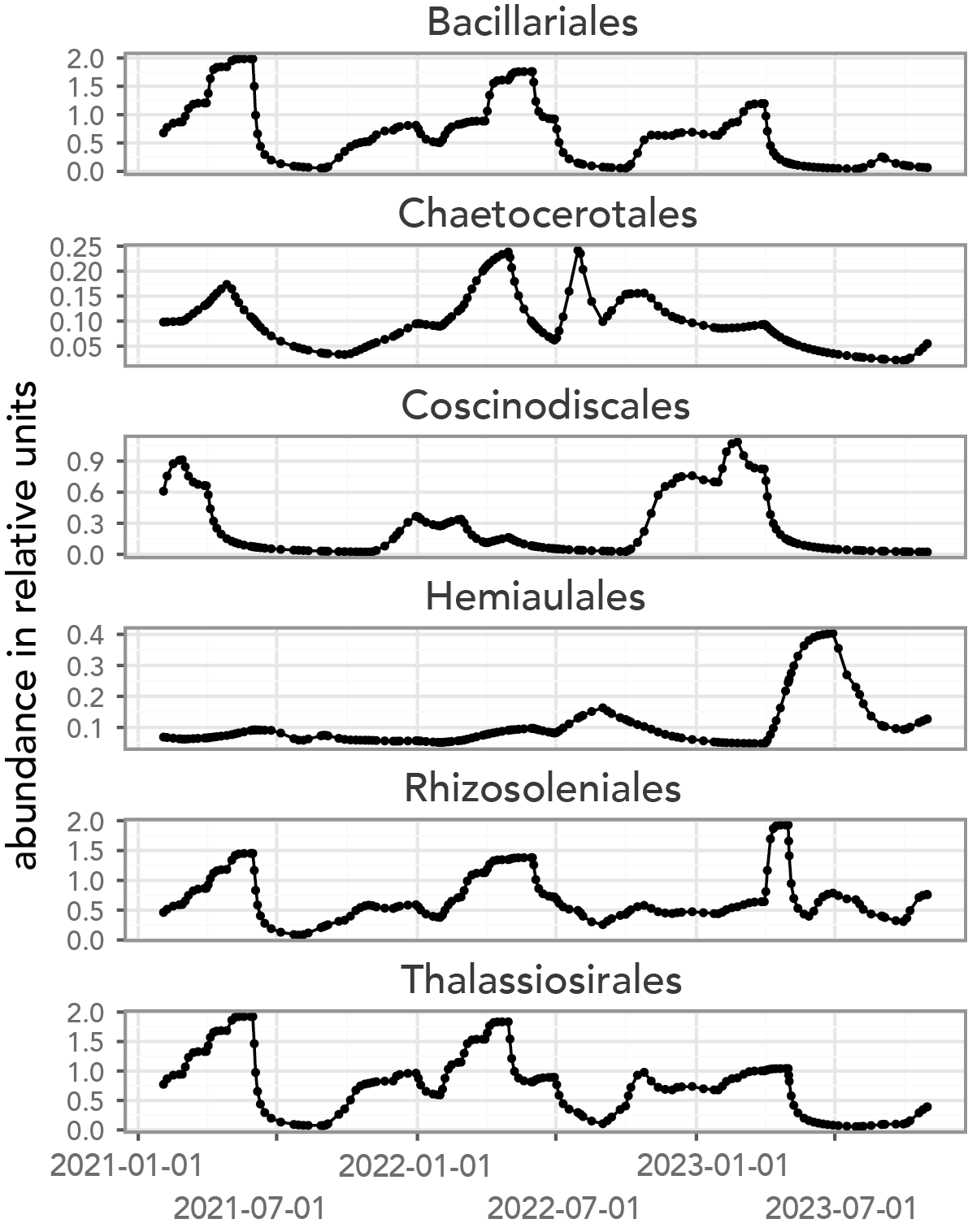
Using community gene expression data for microbial eukaryotes, the goal of this project is to recover custom, taxon-specific “traditional” model parameters
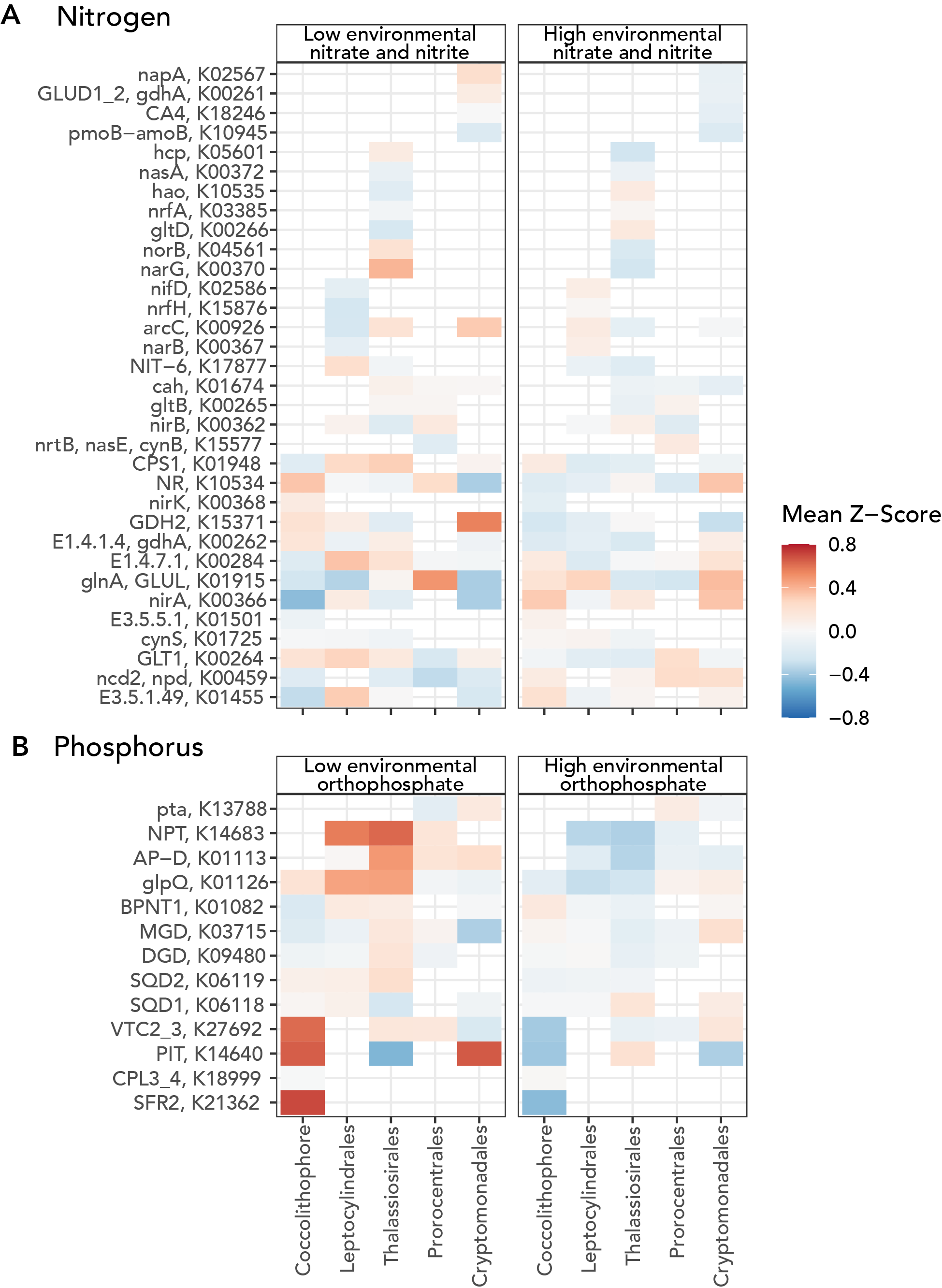
Time-series environmental data coupled with gene expression allows us to identify genes linked to phytoplankton resilience to challenging environmental conditions, and contextualize ecological shifts that impact water quality
More
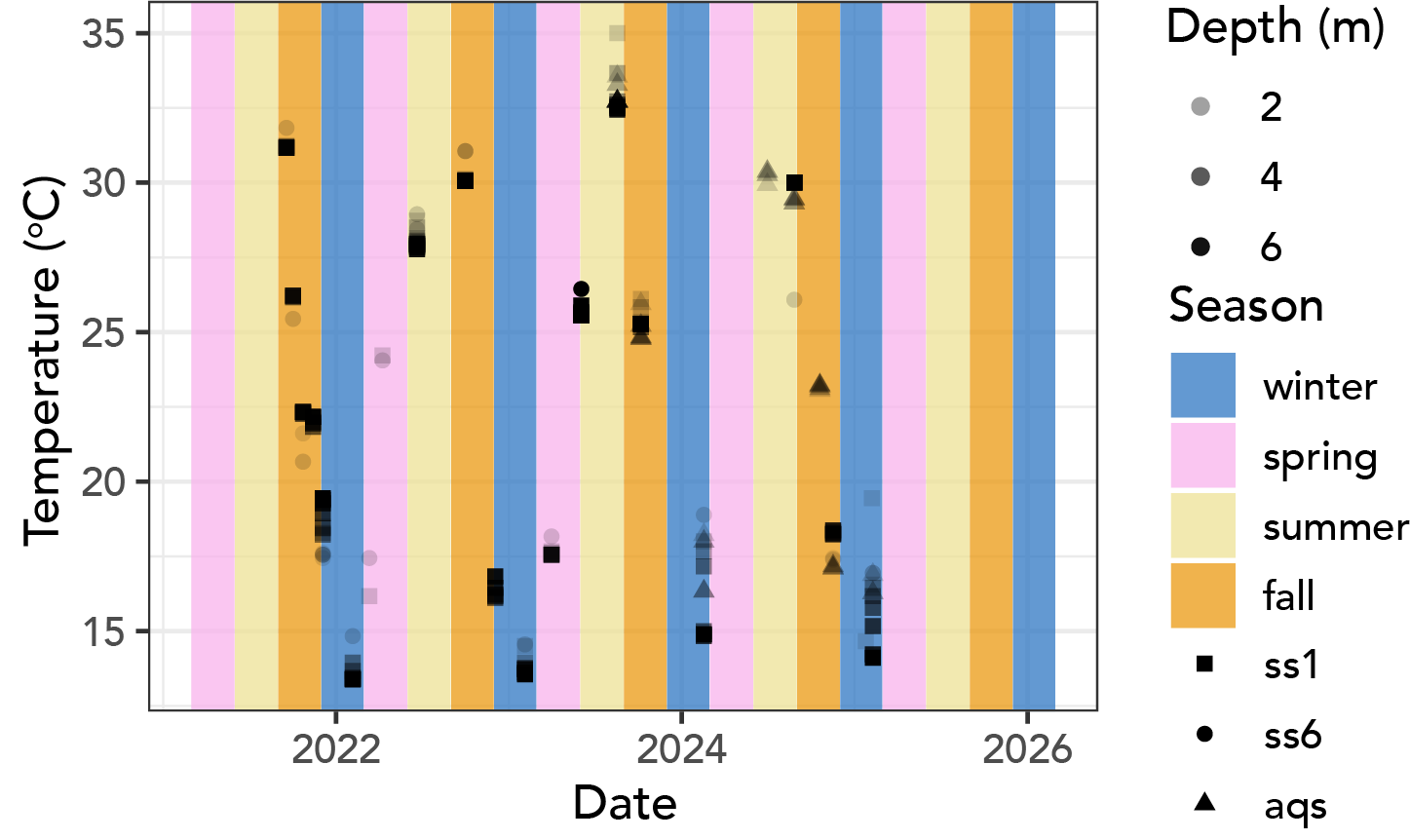
The Salton Sea is a large, hypersaline lake (CA) with impaired water quality. Via biogeochemical models and ongoing measurements, we are studying ecological dynamics that contribute to public health hazards

Work in collaboration with the C-CoMP NSF STC to develop a coupling between a genome-scale metabolic model (GEM/FBA) and a 1-D water column biogeochemical model and hence link complex biology to oceanographic dynamics
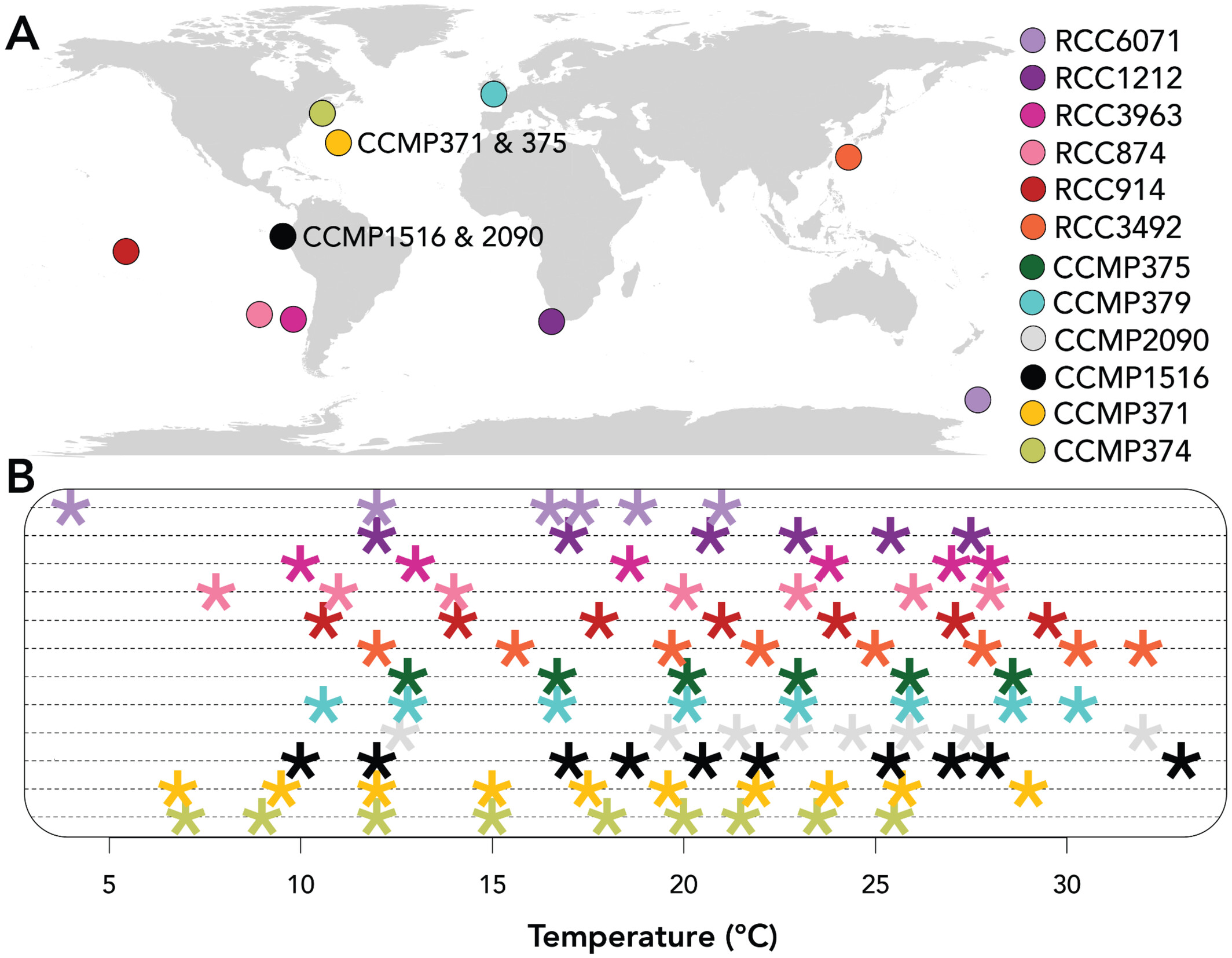
Studying intraspecific diversity in important phytoplankton groups can be used as a proxy for current model-relevant diversity & future capacity for resilience to changing environmental conditions
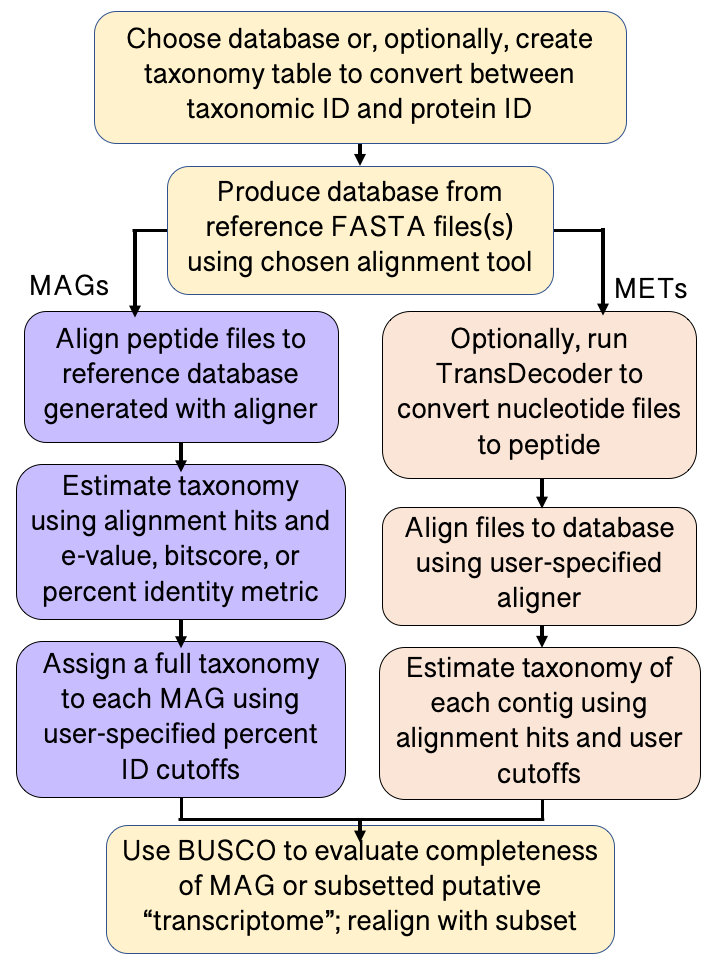
Via tools like EUKulele and tax-aliquots, developing openly-available software and workflows to improve the fidelity of protistan taxonomic annotations
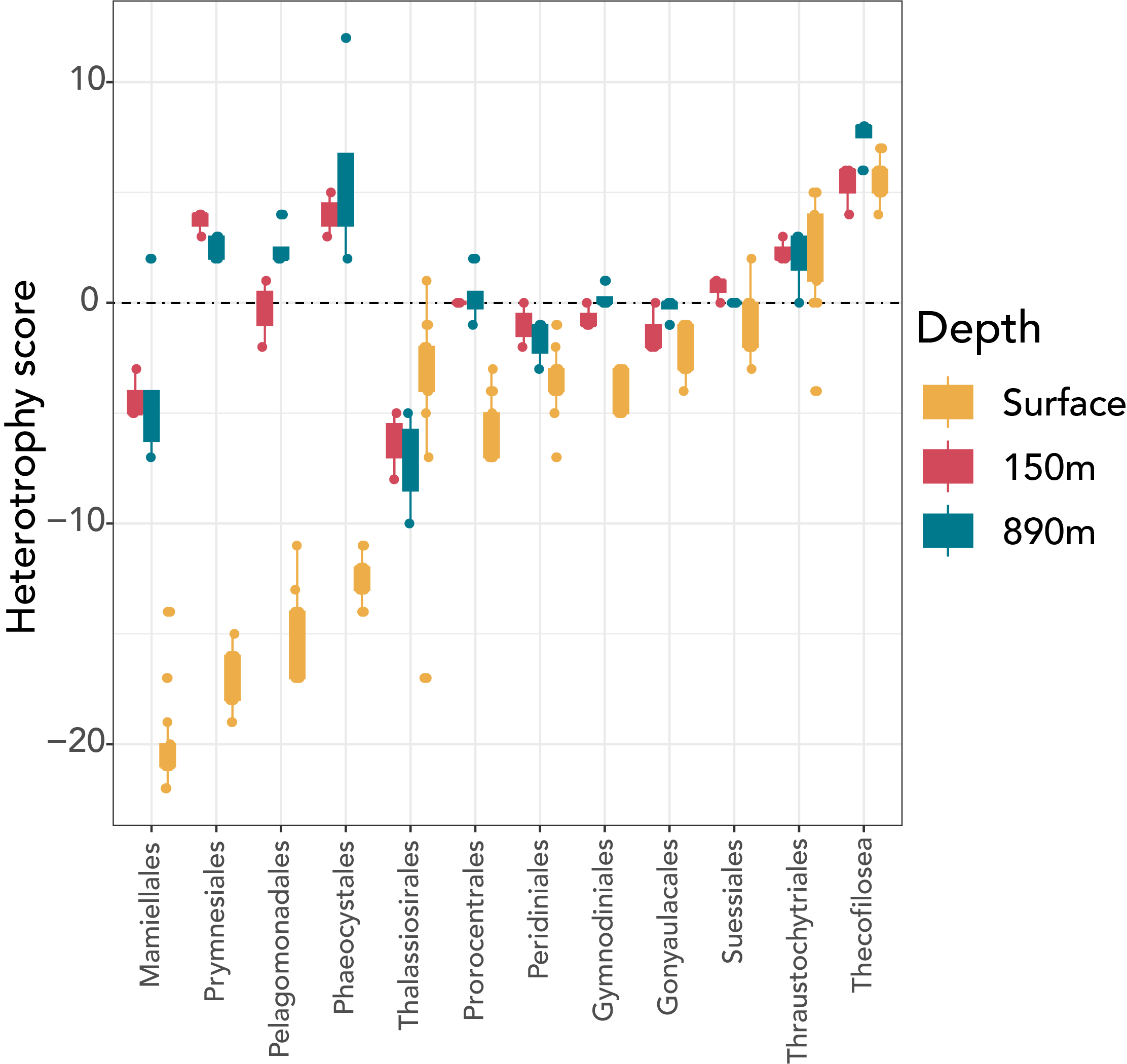
Identifying -omics-based indicators to predict whether a microbe is more likely a heterotroph, a phototroph, or both
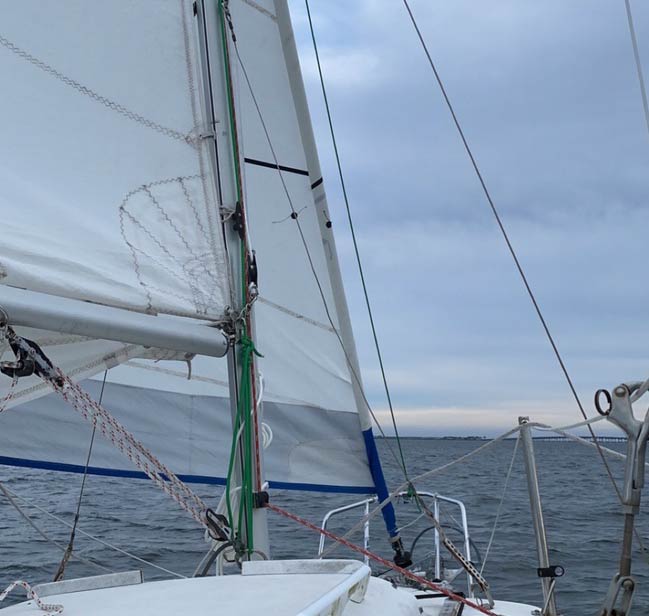
Opportunistic sampling after Hurricanes Helene and Milton in Tampa Bay (2024) to study microbial ecological impacts of disturbance. Funding from Phycological Society of America Grants In Aid of Research (GIAR) program
Augmenting existing efforts to study impacts of stratification in the North Bering Sea with environmental -omics data. Funding from North Pacific Research Board